



Tim Breen
Chief Executive Officer, GF

Tim Breen
Chief Executive Officer, GF
Bio:
Tim Breen is Chief Executive Officer (CEO) of GF, a position he was appointed to in 2025, having joined the company in 2018.
Prior to becoming CEO, Mr. Breen served as GF’s Chief Operating Officer (COO), overseeing the company’s global operations, including the manufacturing, quality, supply chain and digital transformation teams. Earlier in his tenure at GF he held various executive roles including leading strategy, business transformation and finance. Prior to joining GF, Mr. Breen served as a member of the senior leadership team of GF’s founding shareholder, Mubadala Investment Company (Mubadala). Earlier in his career, he was a partner with McKinsey & Company in Abu Dhabi.
Mr. Breen holds a Master of Business Administration degree from London Business School and is based in New York.
Thomas Rueckes
Chief Executive Officer, FMC
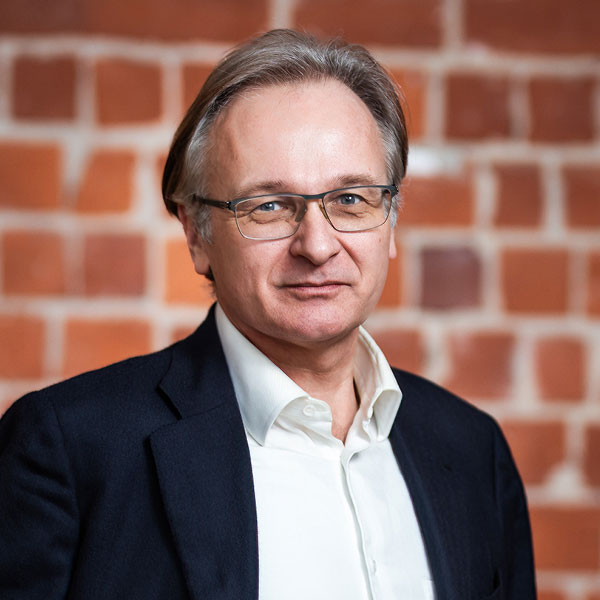
Thomas Rueckes
Chief Executive Officer, FMC
Bio:
Thomas Rueckes is CEO of Ferroelectric Memory Company (FMC), where he leads the development and commercialization of high-performance non-volatile memory products spanning NV-DRAM+ in Memory Fabs and high density Near Compute Memory, 3D-CACHE+ in advanced logic foundries. His work bridges materials, devices, integration, packaging, and system-level deployment, with active engagement across tier-1 memory IDMs, hyperscalers, OEMs, and leading equipment and materials suppliers.
Previously, Dr. Rueckes was Co-Founder, CTO, and COO of Nantero, where he spent more than two decades building one of the industry’s most advanced emerging memory platforms, overseeing R&D, operations, manufacturing scale-up, IP strategy, fundraising, government programs, and strategic partnerships. He holds more than 200 granted patents and has published extensively in leading scientific journals. Dr. Rueckes earned his Ph.D. in Nanotechnology from Harvard University.
Abstract:
Europe stands at a pivotal moment in reasserting its role in the global memory industry. Advances in materials science, device engineering, and semiconductor integration now enable the development of disruptive memory technologies that can meet the demands of next generation Artificial Intelligence—delivering lower energy consumption, higher density, and superior performance. FMC, positioned at the heart of Europe’s semiconductor R&D centers, is executing an ambitious, scalable product roadmap designed to reshape the memory landscape. Working in close partnership with leading industrial, research/technology, and institutional stakeholders across the European ecosystem, FMC is advancing a technology platform capable of supporting strategic sovereignty and long term competitiveness. The current environment offers a rare and timely opportunity for Europe to establish a new class of memory technology and a globally competitive memory champion.
Audrey Charles
Senior Vice President of Corporate Strategy & Advanced Packaging; President of Lam Capital

Audrey Charles
Senior Vice President of Corporate Strategy & Advanced Packaging; President of Lam Capital
Bio:
Audrey Charles is senior vice president of corporate strategy and advanced packaging, and president of Lam Capital at Lam Research. In this position, she is responsible for leading the executive management team in the development of strategic priorities and key initiatives that support the company’s long-term profitable growth. She is also responsible for accelerating the company’s market-leading position in advanced packaging to deliver differentiated technology and support to customers.
Additionally, Audrey oversees Lam’s Corporate Development team and investment arm, Lam Capital, which invests in disruptive companies that advance the semiconductor ecosystem through next generation industrial automation, technology and product innovation, and new market opportunities. She brings a broad base of experience to her role, including engineering, customer technology management and investor relations. Since joining Lam in 1995, she has served in a range of leadership positions including senior vice president of Global Human Resources and vice president of corporate initiatives.
Audrey earned an M.B.A. from the MIT Sloan School of Management and a B.S. in applied physics from Dublin City University.
Abstract:
AI system performance increasingly depends on advanced 3D packaging. Hybrid bonding, chiplets, and heterogeneous integration deliver the bandwidth and energy efficiency that define next-generation AI architectures. The challenge is advancing these technologies from research into high-volume manufacturing at the yield, quality, and cost targets production demands.
Bridging this gap requires two capabilities: atomic-precision processing and data-driven manufacturing intelligence. This talk will examine how these capabilities address the core manufacturing challenges of 3D integration, including atomic-level film quality, defectivity management, and process integration across diverse materials systems, and how together they accelerate yield learning, optimize process windows, and compress the timeline from development to production.
Takaki Murata
Senior Vice President & Executive Board Member, Murata
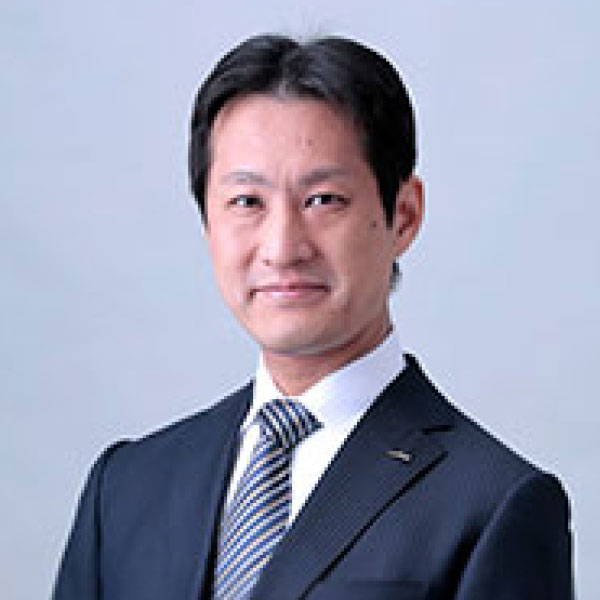
Takaki Murata
Senior Vice President & Executive Board Member, Murata
Bio:
Takaki Murata has been involved in technology development, accounting, planning, and business management at the Company and its group companies for many years and corporate management as a chief officer at business companies in the United States, accumulating a wealth of experience and a solid record of achievement. He has been elected as a Member of the Board of Directors because the Company expects that he will continue to strengthen the decision-making and supervisory functions of the Board of Directors.
Abstract:
The rapid scaling of AI and high‑performance computing workloads is driving a fundamental transformation of data center power architectures, from on‑package integrated voltage regulators to high‑voltage power supply units. In this context, passive components are no longer commodities but critical system enablers.
This presentation introduces Murata’s silicon capacitor technologies and roadmaps, highlighting how continuous innovations in three‑dimensional charge density, voltage capability, and reliability unlock new design spaces for advanced power delivery. Leveraging deep‑trench and nanoporous architectures, Murata silicon capacitors combine ultra‑low ESL/ESR, exceptional thermal and frequency stability, predictable aging, and high customization flexibility.
We will illustrate how these characteristics enable thin, high‑frequency integrated voltage regulator modules close to processors, as well as high‑voltage silicon capacitors for next‑generation data center power supplies operating up to 800V nominal.
Agnieszka Thonet
Senior Director of Technology, HP

Agnieszka Thonet
Senior Director of Technology, HP
Bio:
Agnieszka has over 23 years of digital transformation and product innovation experience. Recognized as a thought leader in emerging technologies and trends, she has a strong track record of managing and aligning global high performance multicultural teams to deliver strategic value.
Over the past 16 years she has held multiple technical and management roles across HP businesses. As Senior Engineering Director, she drove the delivery of full stack software on devices and to Enterprise customers. As Head of Innovation Partnerships, she gathered and led cross-industry, multidisciplinary research experts to create open collaboration models that unleashed impactful innovation. Her breadth of knowledge ranges from electronics and communication systems to digital manufacturing and complex cyber-physical architectures.
Fluent in four languages, she holds a MSc in Communication Systems Engineering from the University of the Basque Country in Spain.
Chih-I Wu
Vice President & Senior Expert, ITRI
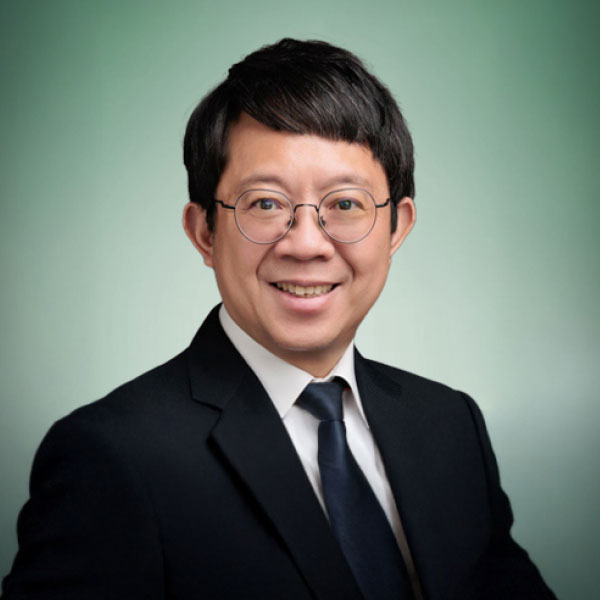
Chih-I Wu
Vice President & Senior Expert, ITRI
Bio:
Dr. Chih-I Wu is the VP and Senior Expert at Industrial Technology Research Institute (ITRI), as well as a professor in Graduate Institute of Photonics and Optoelectronics and Department of Electrical Engineering of National Taiwan University. He was the General Director of Electronic and Optoelectronic System Research Laboratories, ITRI, from 2015 to 2022. His research is mainly on 2D material and devices, organic optoelectronics, metal-semiconductor interfaces, and heterojunctions. Prior to joining NTU, he worked at Component Research Lab of Intel in the US from 2000 to 2004. His work at Intel was mainly on developing the advanced VLSI process technology, such as Cu and low k interconnects, metal gate materials, and atomic layer deposition process. Dr. Wu got his B.S. degree from National Taiwan University and M.S. degree from Northwestern University, both in Physics. He received his Ph.D. from Princeton University in Electrical Engineering.
Abstract:
In the talk, I will share with you ITRI’s strategy on internation collaboration. I will start from the evolution of Taiwan’s semiconductor ecosystem, from 1970’s till now. The current status and the future of both Taiwan and global semiconductor industry will also be presented from our perspective. Based on the evolution and future prediction of semiconductor ecosystem, ITRI’s strategy on international collaboration will be discussed in this presentation.
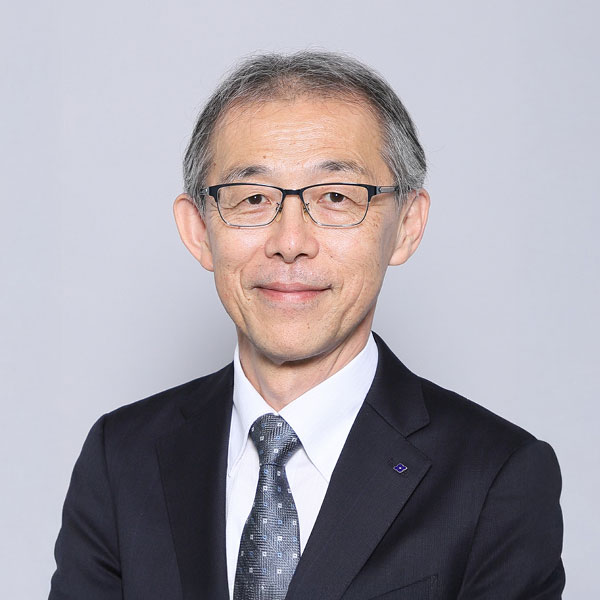
Hajime Shoji
Executive Officer, General Manager of Transmission Devices Laboratory, Sumitomo Electric Industries
Hajime Shoji
Executive Officer, General Manager of Transmission Devices Laboratory, Sumitomo Electric Industries
Bio:
Hajime Shoji received the Ph.D. degree in electronic engineering from the University of Tokyo, and joined Fujitsu Laboratories in 1990. He moved to Eudyna Devices, a joint venture of Fujitsu and Sumitomo Electric in 2004, then after the change in organization, moved to Sumitomo Electric Industries, LTD. in 2009. He has been consistently leading the development of compound semiconductor materials and devices for optical and microwave communications. Currently, he is serving as a general manager of the Transmission Devices Laboratories, and also as an executive officer of Sumitomo Electric.
Abstract:
Optical device technologies play a fundamental role in combination with electronics toward photonics-electronics convergence. In the presentation, our development activities focusing on heterogeneous integration of III-V compound semiconductor and silicon and its application to advanced optical devices will be described. Photonics-electronics integration platform technologies will be also presented together with topics on some related devices.
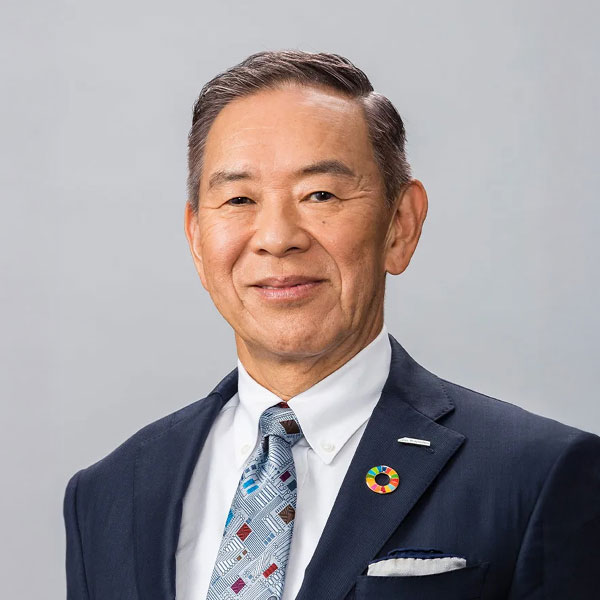
Dr. Atsuyoshi Koike
Chief Executive Officer, Rapidus corporation
Dr. Atsuyoshi Koike
Chief Executive Officer, Rapidus corporation
Bio:
ATSUYOSHI KOIKE established Rapidus Corporation, a company that researches, develops, designs, manufactures, and sells advanced logic semiconductors, in August 2022.
Prior to the current role, Koike had served as President of Western Digital Japan since April 2018. Prior to joining Western Digital, he served as corporate chief engineer for Renesas Technology Corporation. Previously, he held the position of president and chief executive officer, as well as other senior leadership positions at Trecenti Technologies, Inc. Prior to that, he held senior manufacturing management and executive leadership positions at Hitachi, Ltd.
Koike received the B.S. and M.S. in Materials Science and Engineering from Waseda University and Ph.D. in Electronic Engineering from Tohoku University. He is a Professor at Tohoku University and Special Senior Advisor at New Industry Creation Hatchery Center, and has given lectures at the University of Tokyo.
Abstract:
Dr. Koike will share how Rapidus is establishing a new manufacturing model centered on 2nm production in Japan, built on close collaboration with world class research institutions and industrial partners. How Rapidus is working with imec , IBM, and a growing ecosystem of European organizations demonstrates that advanced semiconductor development is a global platform. He will discuss how Rapidus aims to strengthen technical exchange with European partners, enhance supply chain interoperability, and contribute to a more geographically balanced and secure semiconductor landscape.
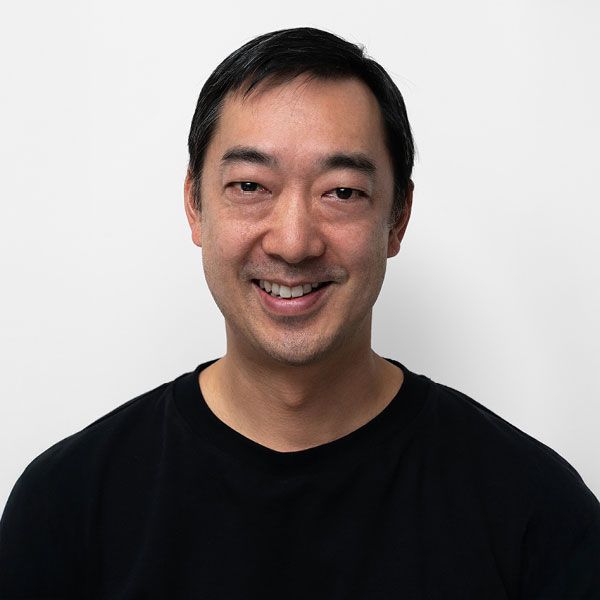
Bill Chang
Co-founder, President & CTO, Density AI
Bill Chang
Co-founder, President & CTO, Density AI
Bio:
Bill Chang is the Co-founder, President, and Chief Technology Officer of DensityAI, a company focused on making AI infrastructure radically more efficient and sustainably scalable, by building the world's densest AI compute platform, integrating innovations across technology, chip and system architecture, software, and datacenter infrastructure.
Prior to founding DensityAI, Chang served as Chief System Architect at Tesla, where he was responsible for the design and architecture of the Dojo supercomputer, a vertically integrated high-performance AI training system. He led the development of the first production wafer-scale package technology, enabling machine learning training to scale to exaFLOP levels.
Before Tesla, Chang was at Apple, where he managed the transition of the Mac platform to Apple Silicon. Earlier in his career, he held various technical leadership roles at IBM Microelectronics spanning DRAM, CMOS technology development, and manufacturing, building deep expertise in silicon design and semiconductor process engineering.
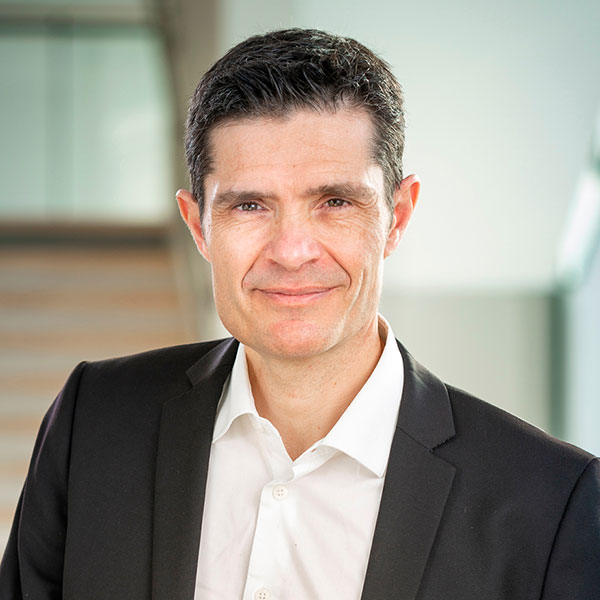
Sébastien Dauvé
Chief Executive Officer, CEA-Leti
Sébastien Dauvé
Chief Executive Officer, CEA-Leti
Bio:
Sébastien Dauvé was named CEO of CEA-Leti effective on July 1, 2021, after more than twenty years of experience in microelectronics technologies and their applications, including clean mobility, medicine of the future, cybersecurity, and power electronics.
Sébastien Dauvé started his career at the French Armament Electronics Center, where he worked on developing synthetic-aperture radar. In 2003, he joined CEA-Leti as an industrial transfer manager and supervised several joint research laboratories, in particular with the multinational Michelin.
In 2007, Sébastien Dauvé became a laboratory manager, then head of an R&D department in the area of sensors applied to the Internet of things and electric mobility. During this time, he supported the dissemination of new technologies in industry, including the automotive industry (Renault), aeronautics, national defense (SAFRAN), and microchips with the industry leader Intel. He played an active role in the creation of start-ups in application fields ranging from health to infrastructure security, leading to dozens of new jobs. In 2016, he became Director of the CEA-Leti Systems Division.
From sensors to wireless communication, Sébastien Dauvé has played an active role in the digital transformation, focused on coupling energy frugality and performance. He has made cross-disciplinary approaches central to innovation by harnessing the expertise of talented teams with diverse backgrounds. Their goal is to provide technological tools for meeting the major societal challenges of the future.
Sébastien Dauvé is a graduate of the French Ecole Polytechnique and the National Higher French Institute of Aeronautics and Space (ISAE-SUPAERO).
Abstract:
As artificial intelligence reshapes industries and societies, the technologies enabling this transformation are becoming strategic foundations for the decades ahead. In this keynote, CEA-Leti will highlight how its latest breakthroughs in semiconductors, photonics, sensing, and heterogeneous integration are helping build the technological backbone of the AI century.
From energy-efficient computing to next-generation architectures, these innovations are accelerating transformation across data centers, edge systems, healthcare, mobility, and industry. This talk will explore how breakthrough deep-tech innovation can scale in France and beyond borders, enabling international partnerships and creating lasting global impact in the future AI-driven economy.
Laurent Rémont
Chief Executive Officer, Soitec
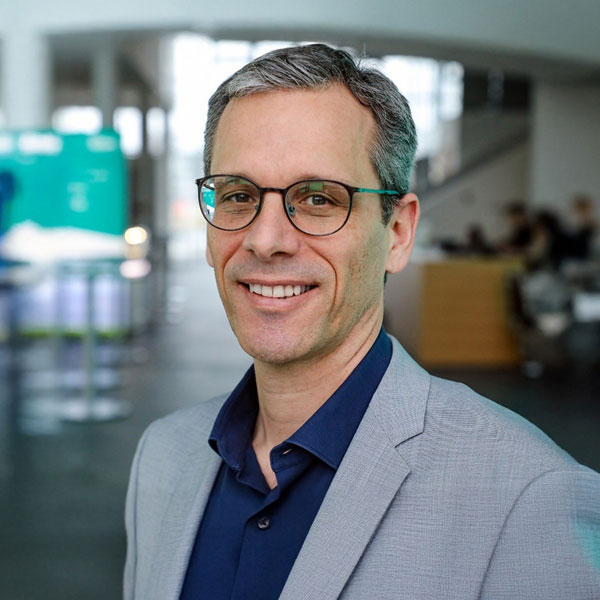
Laurent Rémont
Chief Executive Officer, Soitec
Bio:
Laurent Rémont joined Soitec in March 2026 and formally took up the position of Chief Executive Officer on 1 April, 2026.
Laurent Rémont served as Senior Vice President and General Manager of MEMS and Magnetics at Infineon Technologies, a leading integrated semiconductor manufacturer, which he joined in 2019. He has also led the Group's Radio Frequency and Sensors business, covering a portfolio that included sensors, radars, microphones and RF components, as well as systems and IoT innovation activities.
Before joining Infineon, he was Chief Technology Officer (CTO) and executive committee member at Kontron AG, an international specialist in industrial IoT solutions and embedded systems.
He began his career at Philips, before spending more than fifteen years at STMicroelectronics, where he held various general management positions in the Connected Home division, as well as in R&D, embedded systems, product development and operational unit management.
Laurent Rémont holds an engineering degree from Grenoble INP – ENSERG
Abstract:
The semiconductor industry has entered a new system architecture era driven by the three waves of AI: Generative, Agentic, and Physical. As compute demand scales, traditional silicon infrastructure is hitting critical bottlenecks that require material-led innovation. To break through the bandwidth wall and prevent copper links from consuming unsustainable power, the industry must transition to silicon photonics, migrating Co-Packaged Optics directly onto the interposer to achieve extreme shoreline densities. Simultaneously, with AI rack power scaling toward extreme levels, upgrading bulk silicon with engineered Wide-Bandgap substrates like Silicon Carbide and Gallium Nitride is vital to achieve maximum data center efficiency.
Finally, tackling the severe standby leakage of advanced sub-nanometer nodes in battery-constrained Physical AI devices requires a decisive architectural choice, pitting FD-SOI against advanced FinFET configurations. Ultimate AI scaling will be won through substrate-engineered innovation.
Elliott Mc Namara
Senior Vice President 3D Integration, ASML
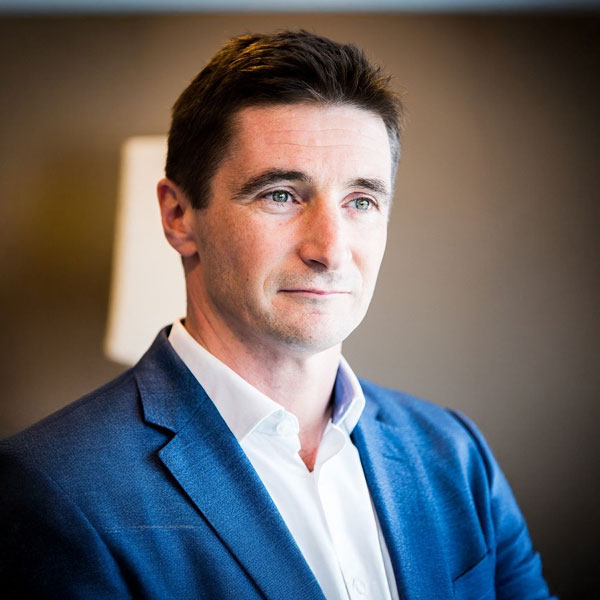
Elliott Mc Namara
Senior Vice President 3D Integration, ASML
Bio:
Elliott Mc Namara is a Senior Vice President and current Head of ASML's 3D Integration business which was created in 2025. Elliott has built up a broad knowledge of the semiconductor environment with more than 25 years of experience covering technology development, semiconductor process control, product management for Lithography and Metrology systems across ASML’s businesses.
Elliott started his semiconductor career working for Canon Semiconductor in Japan after finishing his studies at the University of Limerick in Ireland. He later returned to Ireland and spent time working as a process engineer with Intel before joining ASML in 2007.
In his current role Elliott and his team are responsible for developing innovative solutions for Advanced Packaging customers to address their challenges today and in the future.
Abstract:
AI is everywhere, requiring more data ingestion and compute than ever, accelerating scaling of transistor density. Traditional device scaling faces increasing physical, economic, and system level limitations, the semiconductor industry is entering a new era in which progress must be enabled through architectural innovation and advanced integration. 3D integration has emerged as a key enabler of this transition, redefining how performance, power, density, and functionality are delivered at the system level.
As advanced packaging and 3D Integration become critical in the era of AI, innovating to address the key challenges in this new environment are key to scaling and volume. Advanced packaging customers are searching for innovation and looking to front-end know-how in equipment, materials and process control to enable fine-pitch integration at high throughput. This talk will address the lithography innovation roadmap catering to the technical challenges while being mindful of the economics in backend integration,
Sylvie Gellida
General Manager, Optical and RF Foundry Division, STMicroelectronics
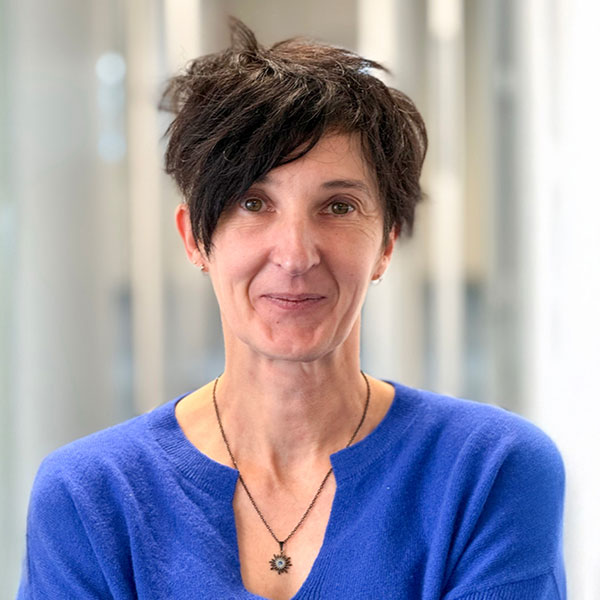
Sylvie Gellida
General Manager, Optical and RF Foundry Division, STMicroelectronics
Bio:
Sylvie Gellida is STMicroelectronics’ General Manager, responsible for the Optical and RF Foundry Division, belonging to RF and Optical Communication product sub-group since January 2025.
Sylvie Gellida started her career as RF design engineer in Dolphin before joining ST Grenoble in 2000. In 2006, she joined the Foundry team as technical support and program manager, extended to marketing next, to sell ST differentiated RF silicon technologies. In 2021, she took the leadership of the mmW products Business Unit, as well as the RF technologies strategy position, encompassing the Silicon Photonics technology and business development from 2023. Since January 2025, Sylvie has been leading the Optical and RF Foundry Division, covering optical interconnects, LEO satellites communications and mmW markets.
Abstract:
Enabling energy-efficient data centers requires a fundamental shift from copper-based electrical links to high-bandwidth, low-loss optical connectivity. This talk will present ST’s silicon photonics strategy and the role of the PIC100 platform in replacing copper with integrated SiPho solutions for next-generation data center and AI interconnects. By combining differentiated Silicon Photonics, BiCMOS platforms in advanced packaging technologies, ST overcome the challenges of power efficient optical interconnects.
Jean-René Lèquepeys
Deputy Director and Chief Technology Officer, CEA-Leti
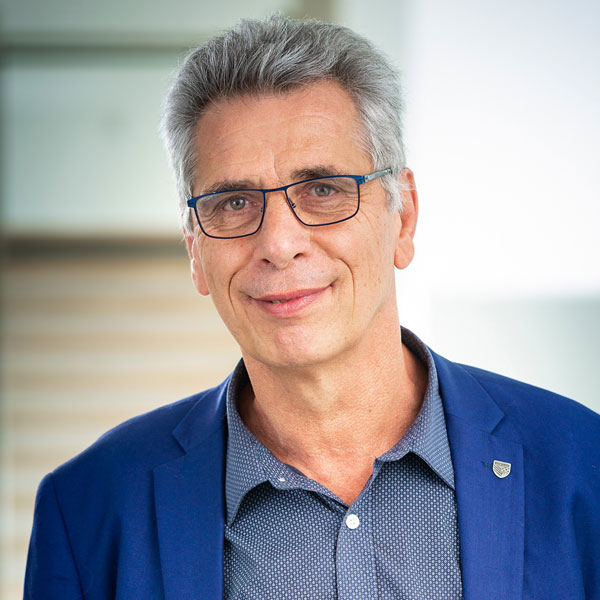
Jean-René Lèquepeys
Deputy Director and Chief Technology Officer, CEA-Leti
Bio:
Jean-René Lèquepeys received an engineering degree in 1983 from CentraleSupélec, a top French graduate engineering school at Paris-Saclay University, France. He taught physics during 2 years in Ouarzazate, Morocco.
He joined CEA, a French Research and Technology Office focusing on applied research, in Paris Saclay in 1985. He first worked at the laboratory of the Central Security Office, on the evaluation of means of detection and intrusion. Two years later, he was promoted head of this laboratory.
In 1993, he moved to Grenoble, France, and joined the System Division of CEA-Leti. He worked on different projects in the field of image processing and telecommunication technologies. In particular, he was responsible for the "Telecom, Communicating Objects and Smart Card" programs from 1999 to 2004.
In 2005, he took the responsibility of the Circuits Design Division at CEA-Leti (200 people). He launched new research activities at CEA such as a new laboratory in Aix-en-Provence, France, on the development of secured chips. In 2000, Jean-René Lèquepeys received the prestigious award from the french Société de l'Electricité, de l'Electronique et des technologies de l'information et de la communication (SEE) "Grand Prix de l'électronique Général Ferrié" for his work in the telecommunications field (he holds 15 patents).
In 2010, he launched a new division at CEA focusing on Electronic Architectures, Integrated Circuit Design and Embedded Software. He established the structure on two sites (Paris and Grenoble) and led the division twice in his career.
He rapidly got involved in the creation of the Silicon Components Division at CEA-Leti, and took the lead of it in 2011 managing 350 people. Division encompasses micro and nanoelectronics (SOI, nanodots, quantum, memories, 3D technologies, substrates), Micro Systems (sensor, actuator, radiofrequency components) and Power Components. He established the French Nano2022 Program for research funding in microelectronics.
In 2019, he was appointed Chief Technology Officer of CEA-Leti, overseeing Science, relations with the European Commission, Industrial Partnership and Strategic Program Management in the scope of the institute (2,000 people, ~€350m budget). He took the responsibility of the Microelectronic Program at CEA level, spearheading technological and upstream research in the field of semiconductor technologies. For the past 2 years, he has been strongly involved in the CEA-Leti Next Gen FD-SOI project in the frame of France2030 and has played a key role in European chips Act pilot line promoting FD-SOI and Gate All Around technologies.
Having dedicated his career to applied research, he is regularly invited as a keynote speaker in international semiconductor conferences.
Jean-René is also Vice President of ACSIEL, a professional trade union gathering industrial companies in the French electronic value chain, member of the Board of EPOSS, the European Technology Platform on Smart Systems Integration, a member of the Board of AENEAS, the Association for Europoean NanoElectronics Activities, and an expert consultant for the European Commission and French Research Agency
Abstracts:
Plenary Session
CEA-Leti contributes to Europe’s semiconductor ambitions through RESOLVE, an initiative supporting the objectives of the European Chips Act by accelerating the transfer of breakthrough technologies from research to industrial deployment.
RESOLVE strengthens collaboration between research centers, startups, suppliers, and industrial leaders to shorten innovation cycles and enable faster market adoption. Leveraging CEA-Leti’s expertise in advanced semiconductor technologies, the initiative supports pilot lines, shared platforms, and technology validation frameworks.
This talk will present how RESOLVE helps build a stronger European semiconductor ecosystem by turning research excellence into industrial competitiveness and strategic sovereignty.
The RESOLVE Initiative Conference
This presentation will provide an update on the RESOLVE initiative and highlight the progress made in bringing together Research and Technology Organizations (RTOs) across all Europe and industrial partners to define a common vision for Europe’s semiconductor future. RESOLVE is a uniquely inclusive European initiative, uniting research organizations from nearly 20 EU Member States to ensure broad collaboration across the continent. In the context of the forthcoming Chips Act 2, the initiative focuses on fostering breakthrough technological innovation through close cooperation between research and industry and addresses key challenges such as energy efficiency, next generation of AI chips, European sovereignty in leading-edge technologies to strengthen Europe’s key vertical markets. Ultimately, this collective effort aims to position Europe as a global leader in semiconductor technologies and will contribute to the increase of semiconductor production in Europe.
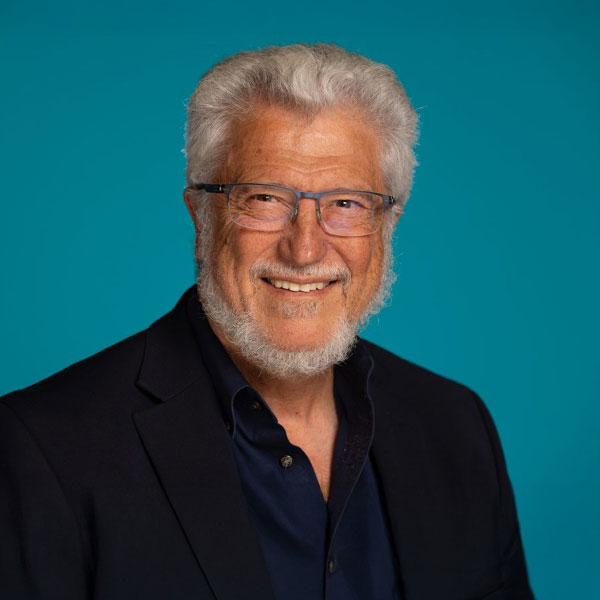
Juan Rey
CTO, Siemens EDA
Juan Rey
CTO, Siemens EDA
Bio:
Juan C. Rey returned to the Calibre Segment and was appointed as Sr. Vice President, Segment Leader/General Manager for Siemens EDA in April of 2025. Prior to his appointment as GM, Juan led the Central Engineering Solutions Team as part of a government program focused on 3D flows. He Transitioned to Central Engineering Solutions Team after serving as Vice President of Government Programs for Siemens EDA where he was responsible for defining technical programs to support government initiatives since 2023. Prior to his work with Government Programs, Juan held the roll of Vice President of Calibre Engineering. He joined Mentor Graphics in 2001 as Senior Engineering Director for Mentor?s industry-leading Calibre product line, directing all development activities for Calibre products, a role he performed until December 2021. Prior to his time at Mentor Graphics, Juan was Vice President of Engineering at Exend Corporation, managing all software development and quality activities. He joined Extend after serving as Engineering Director of Physical Verification at Cadence Design Systems. Earlier positions include Manager/Developer for Process Modeling and Parasitic Extraction at Technology Modeling Associates, Visiting Scholar/Science and Engineering Associate at Stanford University, Senior Research Engineer at INVAP, Argentina, and Associate Professor at Universidad Nacional del Comahue, Argentina. Juan holds a degree in Nuclear Engineering from Universidad Nacional de Cuyo, Argentina. The author or co-author of numerous papers and conference presentations, he serves on the Executive Technology Advisory Board of Semiconductor Research Corporation (SRC) and the UCLA Center for Domain-Specific Computing.
Abstract:
AI is rewriting the computing landscape, driving exponential demand for computational resources and unprecedented complexity in system design. Traditional chip-centric approaches can no longer address the multi-domain challenges spanning silicon, packaging, systems, and infrastructure.
This session presents Siemens EDA's vision for a comprehensive digital twin that places EDA at the center of next-generation computing—connecting chip design, advanced packaging, and system integration within a unified framework. Juan Rey will demonstrate how digital continuity from silicon to systems enables organizations to accelerate innovation, manage complexity, and deliver the software-defined, silicon-enabled solutions that power AI-driven transformation.
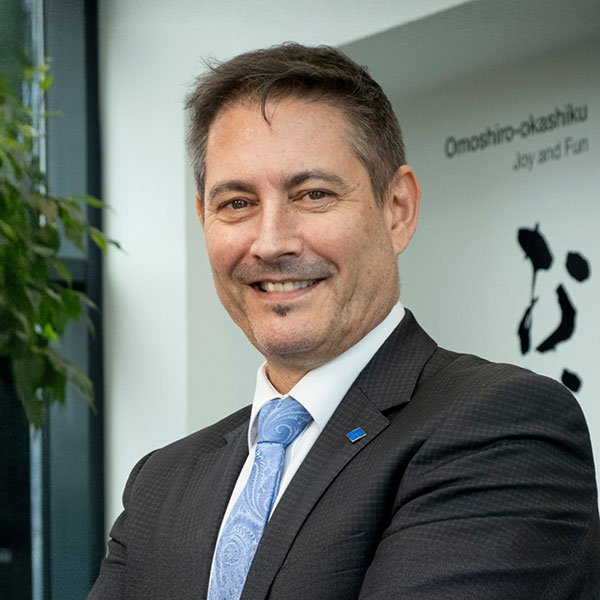
Stuart Knight
Materials and Semiconductor Strategy Director, HORIBA Group Corporate Officer
Stuart Knight
Materials and Semiconductor Strategy Director, HORIBA Group Corporate Officer
Bio:
Stuart Knight is Materials and Semiconductor Strategy Director and HORIBA Group Corporate Officer, with more than three decades of experience in the global semiconductor industry. He began his career in 1992 in Hong Kong, working for a back‑end semiconductor equipment manufacturer, gaining first‑hand experience of high‑volume manufacturing environments in South East Asia.After returning to Europe in 1998, Stuart joined HORIBA, where he helped establish and grow the company’s semiconductor portfolio, delivering process monitoring and control solutions for semiconductor process optimisation to customers across Europe and globally. He spent many years building HORIBA’s presence in the semiconductor segment before moving into senior executive leadership.
Today, Stuart contributes actively to European and global semiconductor strategy for the HORIBA Group, bringing a practical, manufacturing‑led perspective to industry discussions
Abstract:
The semiconductor industry is increasingly defined by system level complexity, where performance, yield, and sustainability depend on the ability to sense, measure, and control interactions across the entire value chain.
HORIBA addresses this challenge through a woven value chain of sensing and metrology solutions, connecting materials characterization, process monitoring, device performance, and fab and sub fab environments. Built on decades of expertise in analytical instrumentation and supported by a strong global footprint, this integrated approach enables continuous insight from upstream R&D to high volume manufacturing.
By connecting core technologies, product organizations, and global operations, sensing and metrology emerge as a strategic enabler for innovation, yield, and industrial resilience. This integrated approach illustrates how semiconductor leaders can shape scalable growth, accelerate technology adoption, and support a more sustainable semiconductor ecosystem.
Mark Fuselier
SVP, Technology and Product Engineering, AMD

Mark Fuselier
SVP, Technology and Product Engineering, AMD
Bio:
Mark Fuselier is senior vice president of Technology and Product Engineering al AMD. He is responsible for silicon and packaging technology development and new product introduction engineering. He played a central raie in the development and productization of computing solutions such as 2nm, multi-core CPU and GPU Soc integration, heterogenous APUs, 2.5D and 3D chip-packaging, and chiplet System in Package (SiP) integration. Fuselier holds a Master of Science degree in electrical engineering and Master of Business Administration from the University of Texas al Austin. He is a member of IEEE and the Electron Devices Society.
Abstract:
Fuselier will walk the audience through a systems-level cc-design approach that treats optics as a first-class element of advanced stacked and chipie! architectures (hybrid-bond 3D, 2.5D interposers, panel scaling). He will demonstrate the practical tradeoffs - thermal paths, power delivery (IVR), die-ta-die pitch and test strategies - and real examples of how tighter locality + optical offload reduces data-movement energy by orders of magnitude.
Takahiro Ogura
President of AI Computing Division, Preferred Networks
Takahiro Ogura
President of AI Computing Division, Preferred Networks
Bio:
Takahiro Ogura is a seasoned leader in high-performance computing with over 20 years of experience. He currently heads the AI Computing Division at PFN, overseeing the company's critical computing infrastructure technologies including the MN-Core™ series of AI semiconductors and in-house supercomputers. Prior to joining PFN, he served as the after-sales service manager for domestic high-performance computing clients at Fujitsu, where he began his career as a systems engineer working on supercomputer systems projects. A notable career highlight was his instrumental role in the design and development of the Fugaku (Post-K) supercomputer at Japan's national research and development agency RIKEN. Ogura received a Master's degree from Tsukuba University's Systems and Engineering program in 2005.
Abstract:
As generative AI continues to evolve, the importance of inference computing is poised to grow steadily. In this session, the speaker Takahiro Ogura will introduce the 3D-stacked memory structure, a technological breakthrough for AI inference chips, and demonstrate its potential for social transformation through AI agents and edge AI. Ogura will also share his company Preferred Networks’s vision for democratization of AI and creation of new paradigms through their proprietary chip design, ecosystem development and industry collaborations.
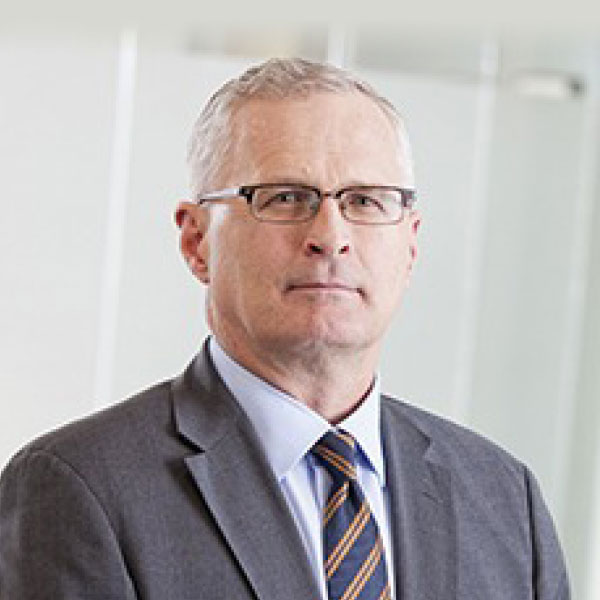
John Neuffer
CEO, Semiconductor Industry Association
John Neuffer
CEO, Semiconductor Industry Association
Bio:
John Neuffer is President and CEO and ex officio board member of the Semiconductor Industry Association (SIA), which has been the voice of the chip industry for nearly five decades. He has been at the nexus of technology, public policy, and trade for most of his career. Since joining SIA in 2015, John has led the association’s policy advocacy in Washington and capitals around the world to foster growth and innovation in semiconductor design, manufacturing, and research.
John also serves as a member of the Board of Directors of the Semiconductor Research Corporation, the world’s leading non-profit industry-government-academia microelectronics research consortium. Additionally, he is a member of the Science & Technology Action Committee and the Council on Foreign Relations.
Abstract:
Semiconductors are the foundational technology enabling artificial intelligence (AI), underpinning modern systems and driving transformative gains in productivity, innovation, and scientific discovery. Today’s AI infrastructure reflects decades of advances from across the semiconductor ecosystem, with a single AI server rack containing over 4,500 packaged chips—comprising roughly 20,000 individual dies—and chips accounting for more than 95% of rack value and over half of total data center capital expenditures. AI workloads depend on the full stack of semiconductor technologies—including advanced logic, memory, and analog components—making supply chain resilience across all chip categories critical to systained AI deployment.
Michael Schaffert
SVP, Robert Bosch

Michael Schaffert
SVP, Robert Bosch
Bio:
Michael studied electrical engineering at the Technical University of Stuttgart.
In 1998, he joined Bosch in Stuttgart as hardware development engineer for Engine Control Units. 2001, he joined ETAS GmbH in Stuttgart as a Product Manager for Rapid Prototyping system. He left ETAS 2011, when he was Director for Product Management and Development and responsible for all ETAS HW. After ETAS Michael became Vice President at BOSCH and was the Head of Center of Competence for Vehicle Electrics and Electronics Architecture. In this role he was responsible for future E/E-Architecture’s development incl. responsibility for recognizing and assigning new technologies. In 2015 he moved to BOSCH Japan and was the Head of Customer Engineering responsible for Asian Pacific Engine Control Units & SW Service Business. In 2019 he came back to Germany and became Head of HW Development for Powertrain Control Systems BOSCH. In 2020 he was founding member of the new BOSCH Division XC (Cross-Domain Computing Solutions) and had the role as the head of Product Group responsible for Base-SW and Middleware incl. OS Product & Services. Since 07/2022 he joined BOSCH Tier2 as a SCP responsible for Chiplet.
Abstract:
The CHASSIS initiative marks a transformative step in automotive compute platform design for Software-Defined Vehicles (SDVs). By leveraging chiplet-based architectures, CHASSIS addresses the inherent limitations of traditional monolithic System-on-Chips (SoCs), introducing a modular and scalable approach to semiconductor design. This paradigm shift enables tailored, high-performance computing solutions that accelerate the transition to software-defined mobility and foster competitive innovation across the automotive industry.
Our vision extends beyond technical advancement: CHASSIS aims to restore European technological sovereignty in automotive semiconductor innovation through the creation of a multi-vendor chiplet ecosystem. This ecosystem ensures architectural flexibility, automotive-grade reliability, and freedom from proprietary constraints, paving the way for open, future-proof compute platforms.
By delivering scalable architectures that meet diverse performance requirements,